
Welcome to Playgima
New games and updates will appear here.
View new gamesNew games and updates will appear here.
View new gamesTest timing, reflexes, control, and decision-making across runners, obstacle courses, classic ball games, mazes, driving challenges, physics games, combat, and upgrade-based arcade hybrids.
 Tap Brawl
  Speedboy 3 Chase In Sochi
  Sled Rider
  Ragdoll Flip
  Ice Drop GTA 5
  GTA Race With Cops 3D
  Dreamy Room
  Rocket Goal
  Snake
Snake  Tunnel Road
  Hyper Tunnel
  Skip It
  Knife Master
  Slide Down
  Curve Rush 2
  Slope 3
  Wave Rider
  X Trench Run
  Block It
  Slope Extreme
  Tap Rush
  Bounce Up
  Ragdoll Drop
  Traffic Rally
  Racing Bros
  Chicken Flip
  Kickback Dash
  Snow Rider 2
  Tube Fall
  Madness Lab
  Getting Over It
  Garfield War
  Elytra Flight
 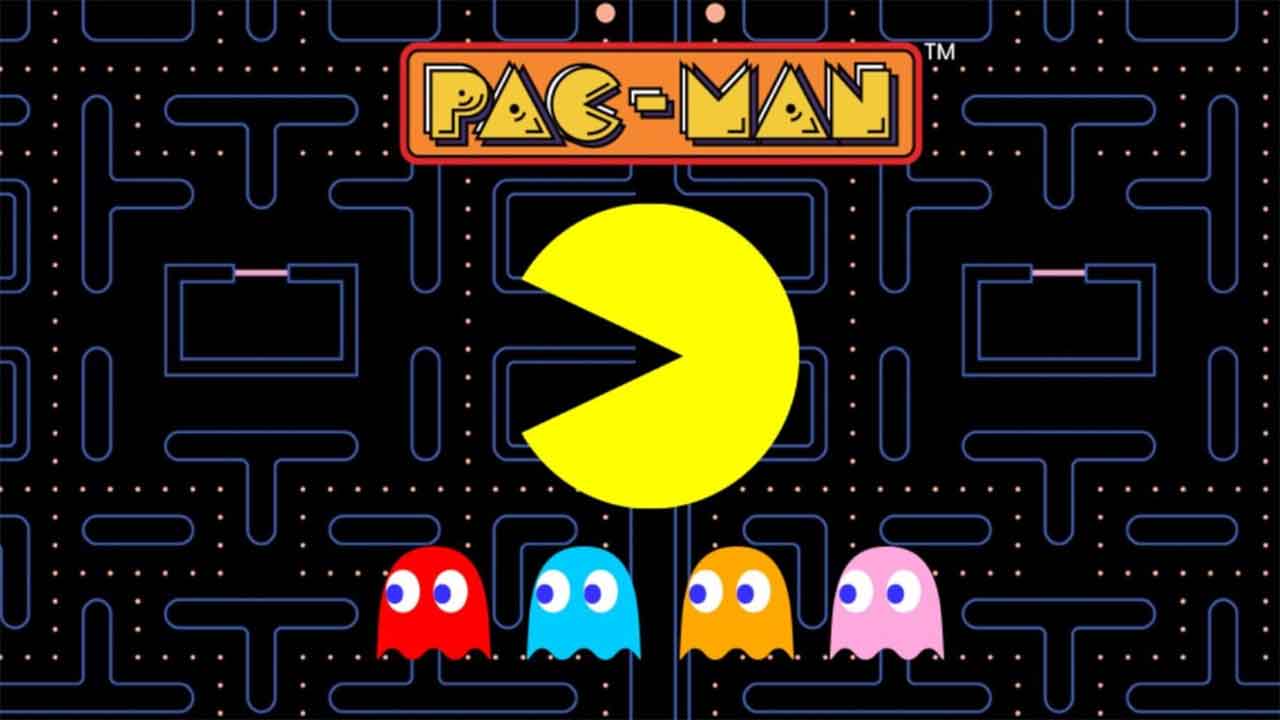 Pac Man
  Collect Brainrot Egg
  Color Rush
  Temple Run 2
  Doodle Jump
  Flappy Bird
  Basket Random
  Bottle Hop
  Block Breaker
  Wacky Flip
 The Arcade Games collection on Playgima covers quick reaction challenges, endless runs, obstacle courses, classic ball games, maze navigation, driving, physics movement, combat, and score-based play. Atari Breakout and Block Breaker use paddle-and-ball mechanics, while Pac Man and Snake reward careful movement and survival.
Many games focus on timing and repeated attempts. Flappy Bird tests controlled taps, Fruit Ninja rewards accurate slicing and combos, and Crossy Road, Dinosaur Game, Slope, and Temple Run 2 challenge players to react to hazards while extending a run.
The category also includes broader arcade hybrids. Drift Rush and Traffic Rally add driving, Getting Over It and Ragdoll Flip use physics, Garfield War combines active defense with upgrades, and Tiny Fishing uses a repeating catch-and-improve progression loop.
Arcade Games usually place a clear action or immediate objective at the center of play. In the current collection, that can mean keeping a ball in motion, clearing a maze, avoiding obstacles, extending an endless run, timing a jump or strike, steering through traffic, surviving enemy waves, or improving a score, distance, or upgrade path.
Start by identifying the game’s main control loop and failure condition. Runners reward looking ahead and reacting to hazards. Paddle, ball, and one-tap games depend on controlled timing. Driving games require careful steering and momentum, while physics games demand patience and an understanding of how movement carries between inputs. Combat, defense, and progression games add upgrades or tactical decisions. Controls and objectives vary by title.
The current collection includes runners, obstacle games, ball-and-paddle games, mazes, rhythm challenges, physics games, driving, combat, sports hybrids, drawing games, and upgrade-based progression.
Atari Breakout and Block Breaker use paddle-and-ball play, Pac Man uses maze clearing and ghost avoidance, Snake uses growth and collision avoidance, and Pinball Master uses ball launching and target hits.
Dinosaur Game, Crossy Road, Jetpack Joyride, Temple Run 2, Slope, Snow Rider 2, and Wurst Dash require continuous movement or repeated reactions to hazards.
Getting Over It uses hammer-driven climbing, Eggy Car uses vehicle balance, and Chicken Flip, Ragdoll Drop, Ragdoll Flip, Stickman Ragdoll, and Wacky Flip use momentum or ragdoll physics.
Yes. Drift Rush focuses on drifting, Traffic Rally uses endless highway driving, and GTA Race With Cops 3D, Ice Drop GTA 5, Racing Bros, and Two Stunt Racers add pursuits, tracks, obstacles, or stunts.
No. Some use levels, matches, upgrades, strategy, collection, or creative interaction. Garfield War uses defense waves, Tiny Fishing uses gear progression, and Skribbl uses drawing and guessing rounds.