
Welcome to Playgima
New games and updates will appear here.
View new gamesNew games and updates will appear here.
View new gamesBuild solitaire foundations, arrange same-suit sequences, manage reserve cells, bid for tricks, calculate hand totals, create poker combinations, and explore card-based progression systems.
 Uno Online
  Solitaire Farm Seasons 4
  Hearts
  Blackjack
  Balatro
  Solitaire Spider Classic
  Social Solitaire
  Daily Solitaire Challenge
 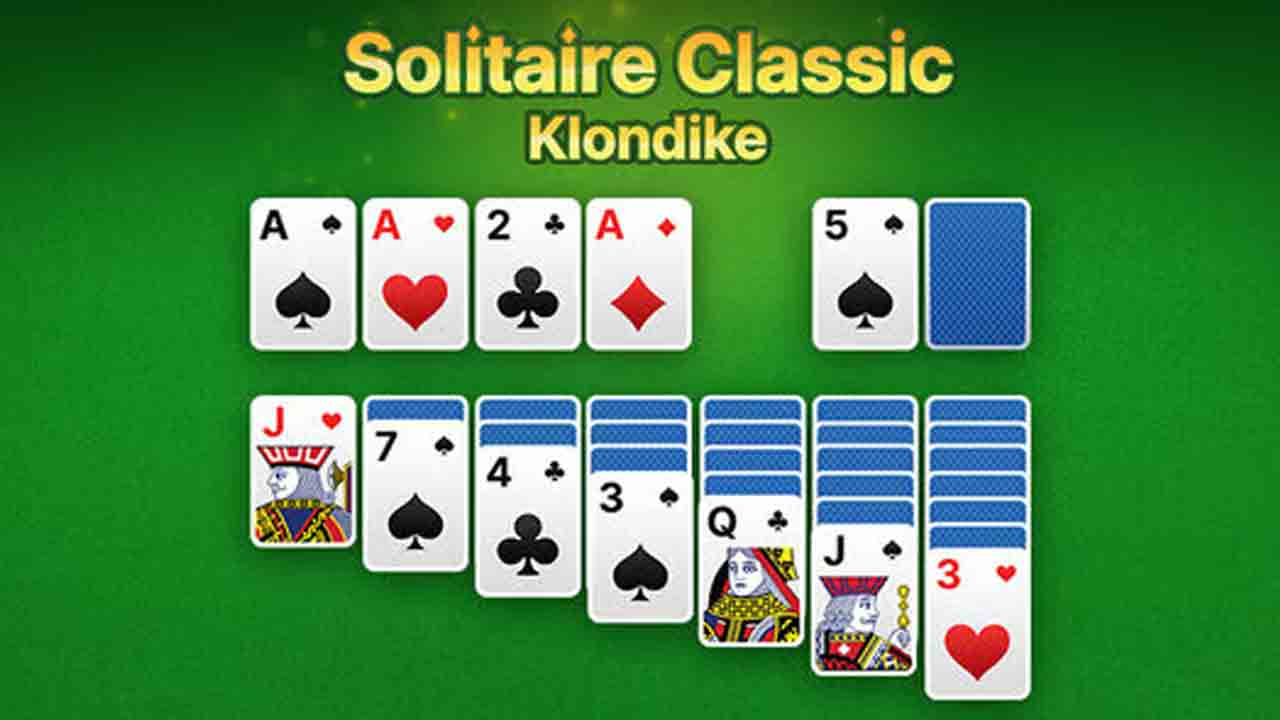 Klondike Solitaire
 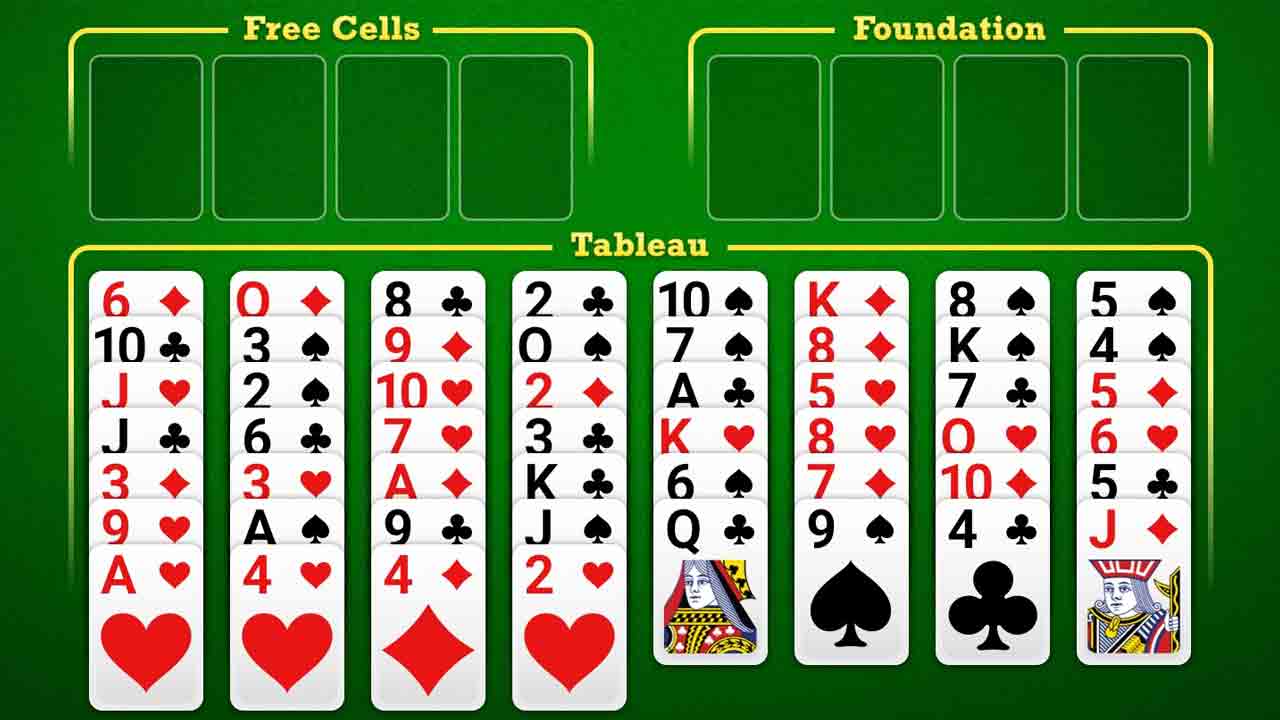 Freecell
 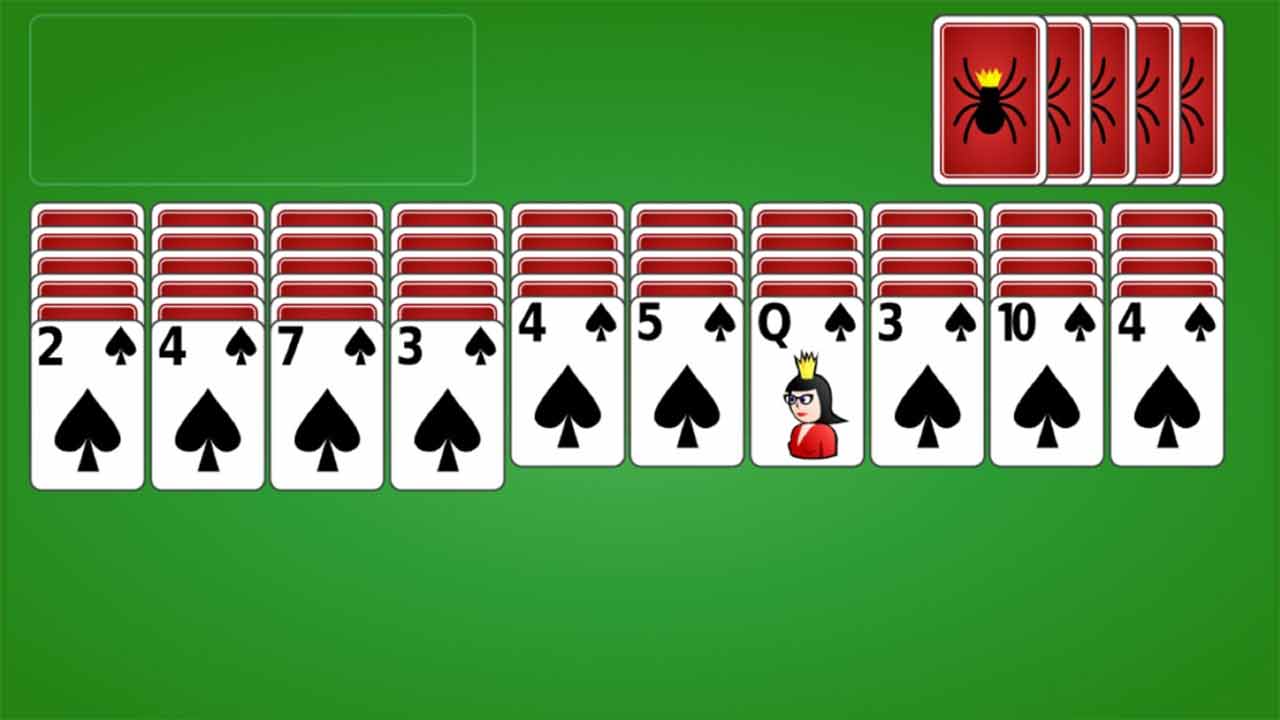 Spider Solitaire
  Pokerogue
  Katana
 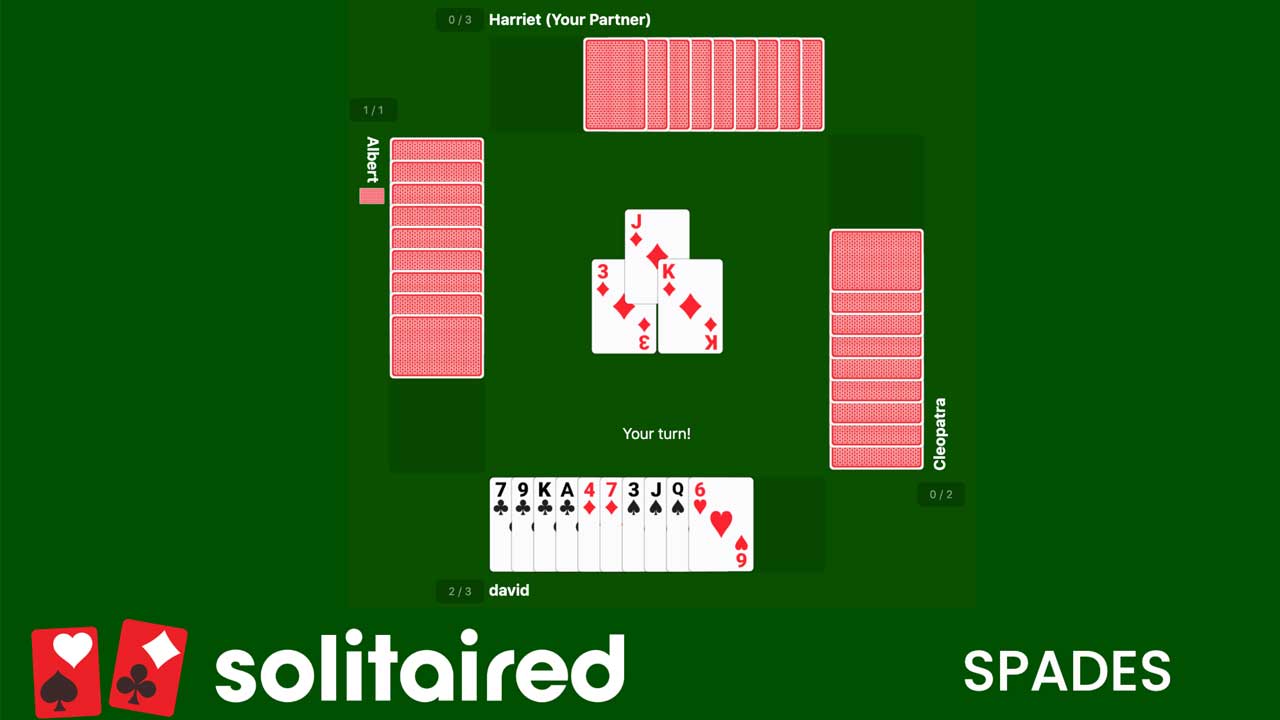 Spades
  Solitaire
  Solitaire Master
 The Card Games collection on Playgima includes Klondike solitaire, FreeCell, Spider Solitaire, trick-taking, hand-total challenges, poker-based scoring, card duels, and progression-focused hybrids. Solitaire and Klondike Solitaire build suit foundations from Ace to King, while Social Solitaire adds card sorting, stack building, and hidden-card management.
Other solitaire formats use different board rules. Freecell provides temporary free cells while players reorganize the tableau and move cards to foundations. Spider Solitaire and Solitaire Spider Classic focus on descending sequences and clearing completed stacks. Solitaire Farm Seasons 4 removes cards by selecting values one step higher or lower while adding farm progression.
The category also includes games beyond solitaire. Blackjack focuses on reaching a hand total near 21 without going over, Spades combines bidding with trick-taking, and Katana uses cards for prediction and dueling. Balatro builds scoring combinations from poker hands, Jokers, and upgrades, while Pokerogue connects poker-hand strategy with RPG combat and dungeon progression. Rules and objectives differ by title.
Card Games organize play around hands, decks, tableau layouts, foundations, suits, values, or card effects. The current collection includes Klondike, FreeCell, Spider Solitaire, Blackjack, Spades, poker-based deckbuilding, card duels, and RPG hybrids. Some games focus on clearing a layout, while others use scoring combinations, bidding, prediction, or combat progression.
Start by identifying the objective and how cards may be moved, played, or combined. Solitaire games require careful tableau management and access to hidden cards. FreeCell adds temporary storage spaces, while Spider Solitaire rewards building long same-suit sequences. Blackjack depends on managing the hand total, Spades uses bidding and tricks, and poker-based games reward combinations and card effects. Rules vary by title.
The current collection includes Klondike, FreeCell, Spider Solitaire, Blackjack, Spades, poker-based deckbuilders, card duels, and card-based RPG hybrids.
Solitaire, Klondike Solitaire, Solitaire Master, Daily Solitaire Challenge, and Social Solitaire use tableau sorting, hidden cards, or suit foundations.
Freecell uses temporary reserve cells and suit foundations, while Spider Solitaire focuses on building descending sequences and clearing completed stacks.
Balatro uses poker hands, Jokers, and upgrades for scoring. Pokerogue combines poker-hand decisions with RPG combat and progression.
Blackjack uses hand totals, Spades uses bidding and trick-taking, and Katana uses cards for prediction and dueling.
No. Most of the current collection uses solitaire layouts, puzzles, dealer-based rules, or progression systems that do not inherently require another player.