
Welcome to Playgima
New games and updates will appear here.
View new gamesNew games and updates will appear here.
View new gamesPractice arithmetic, geography, typing, spatial reasoning, visual recognition, and problem solving through quizzes, puzzles, obstacle challenges, drawing prompts, and open-ended experiments.
 Santa Tracker
  I Am Hall Security
  World Guessr
  Sweepcremental
  My Keyboard Is Full Of Ants
  Globle
  Flag Painting
  Math Wall Simulator
  Math Crossword Puzzle Genius Edition
  Captchaware
  Steal A Meme
  Brain Lines
  New Worldle
  Worldguessr
  Typing Test
  Seterra
  Math Obby
  Radio Garden
  Quick Draw
  Infinite Craft
  Obby Mini Games
  67 Clicker
  Master Of Numbers
  War The Knights
  Bloxorz
  Space Plan
 The Educational Games collection on Playgima includes arithmetic challenges, geography quizzes, typing practice, spatial puzzles, drawing recognition, and experimentation-based activities. Math Obby combines obstacle-course movement with arithmetic questions, while Seterra uses interactive maps to test countries, capitals, flags, and physical geography.
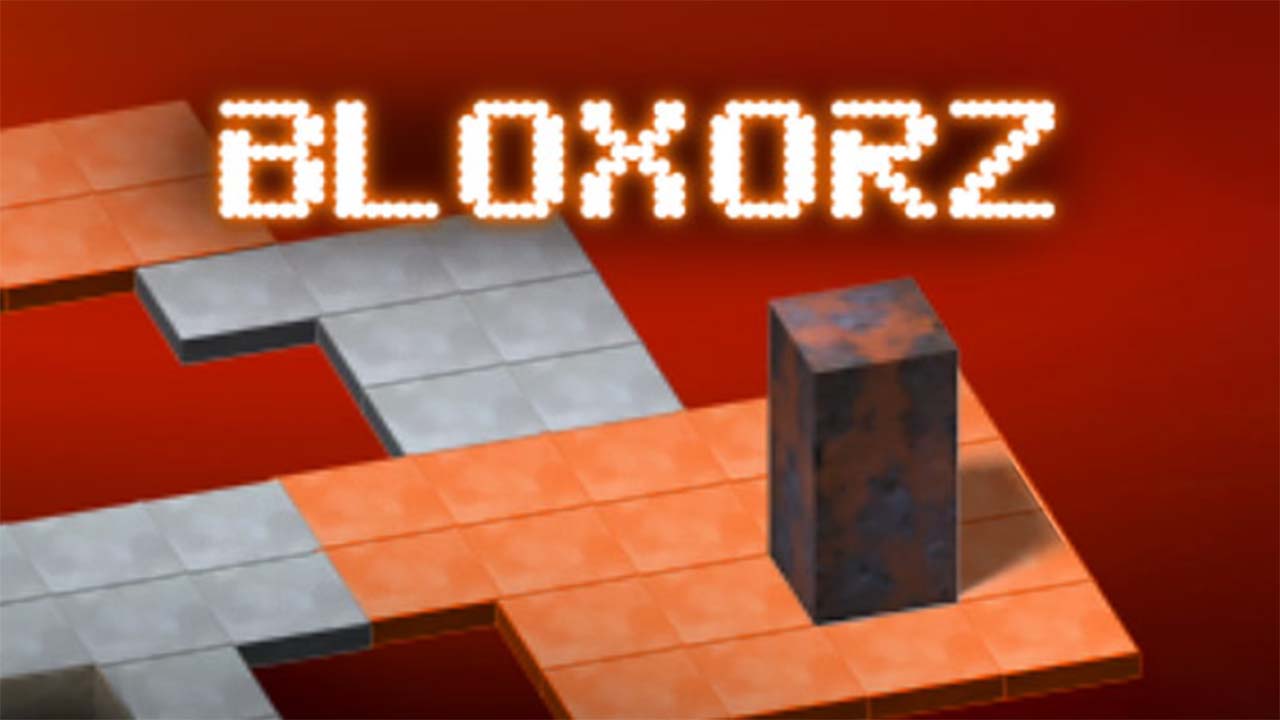
Other games develop practical or visual skills through direct interaction. Typing Test measures speed and accuracy while highlighting errors, Bloxorz requires players to plan how a rectangular block will land after each move, and Quick Draw asks players to sketch prompted objects while a neural network attempts to recognize them.
The category also includes number comparison and open-ended discovery. Master Of Numbers uses smaller and larger values within a running challenge, while Infinite Craft lets players combine basic elements to discover new objects and concepts. Objectives, controls, feedback, and educational focus differ by title.
Educational Games combine an activity or challenge with opportunities to practise knowledge, reasoning, or a practical skill. The current collection includes arithmetic questions, geography identification, timed typing, spatial puzzles, number comparison, drawing recognition, and element-combination experiments. The learning component varies by game: some provide direct questions and feedback, while others rely on planning, observation, or repeated practice.
Begin by identifying what the game asks you to practise. Read questions and visual prompts carefully in quiz-based games, and prioritise accuracy before speed in typing or timed drawing activities. Spatial puzzles reward planning several moves ahead, while number and obstacle games require both calculation and movement. Experimental games encourage testing combinations and using previous results to guide the next attempt.
The current collection includes arithmetic challenges, geography quizzes, typing tests, spatial puzzles, drawing recognition, number-based runners, and element-combination activities.
Math Obby presents arithmetic questions during an obstacle course, while Master Of Numbers uses number comparison and numerical growth as part of its running mechanics.
Seterra uses interactive maps and quizzes covering locations, capitals, flags, oceans, mountains, and other geographic subjects.
Typing Test asks players to reproduce displayed text under a timer and provides feedback about speed, accuracy, and errors.
Bloxorz requires careful block orientation and route planning, while Quick Draw combines timed sketching with real-time recognition attempts.
No. Some use direct questions, while others use typing, drawing, spatial movement, number comparison, experimentation, or incremental resource decisions.