
Welcome to Playgima
New games and updates will appear here.
View new gamesNew games and updates will appear here.
View new gamesSolve number grids, place and merge blocks, identify words, match colors, control physics, and plan routes across puzzles with different rules and pacing.
 Blendrix
  Suika
Suika  Woodland Spirits Game
  Townscaper
  Bunmask
  Mouse Required
  Meow Merge
  Clash Royale Wordle
  Block Blaster
  Arrows Help The Family
  Arrow Escape
  Speedloop
  Obby Tower Of Hell
  Trees Hate You
  Short Life
  Sheep vs Wolf
  I'm Not A Robot
  Clasherdle
  Contexto
  Clashdle
  Royaledle
  Repeewsenim
 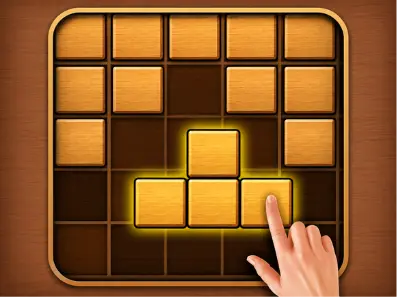 Block Wood Puzzle
  Egg Adventure Mirror World
 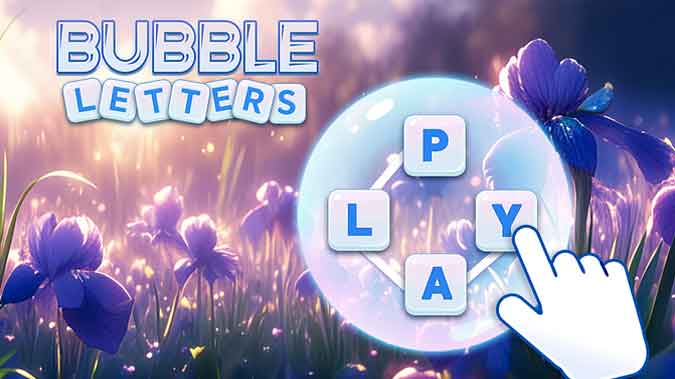 Bubble Letters
 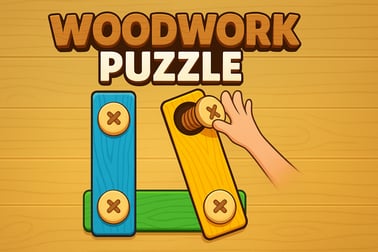 Bolts And Nuts Puzzle
 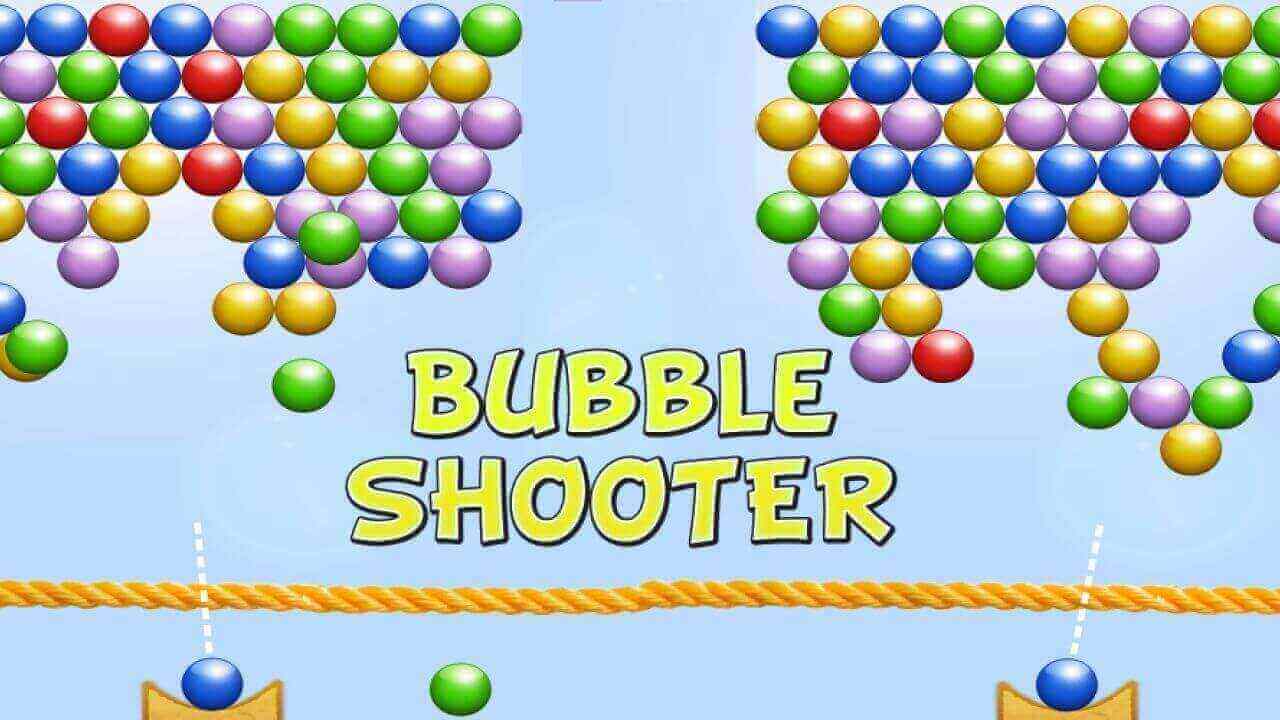 Bubble Shooter
 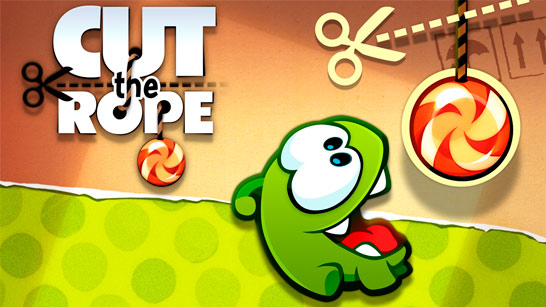 Cut The Rope
  Sudoku
  2048
2048  Perfect Tidy
  Juicy Match 2
  Ooze Odyssey
  Blocky Rush
  Snekcross
  Glide In
  Happy Wheels
 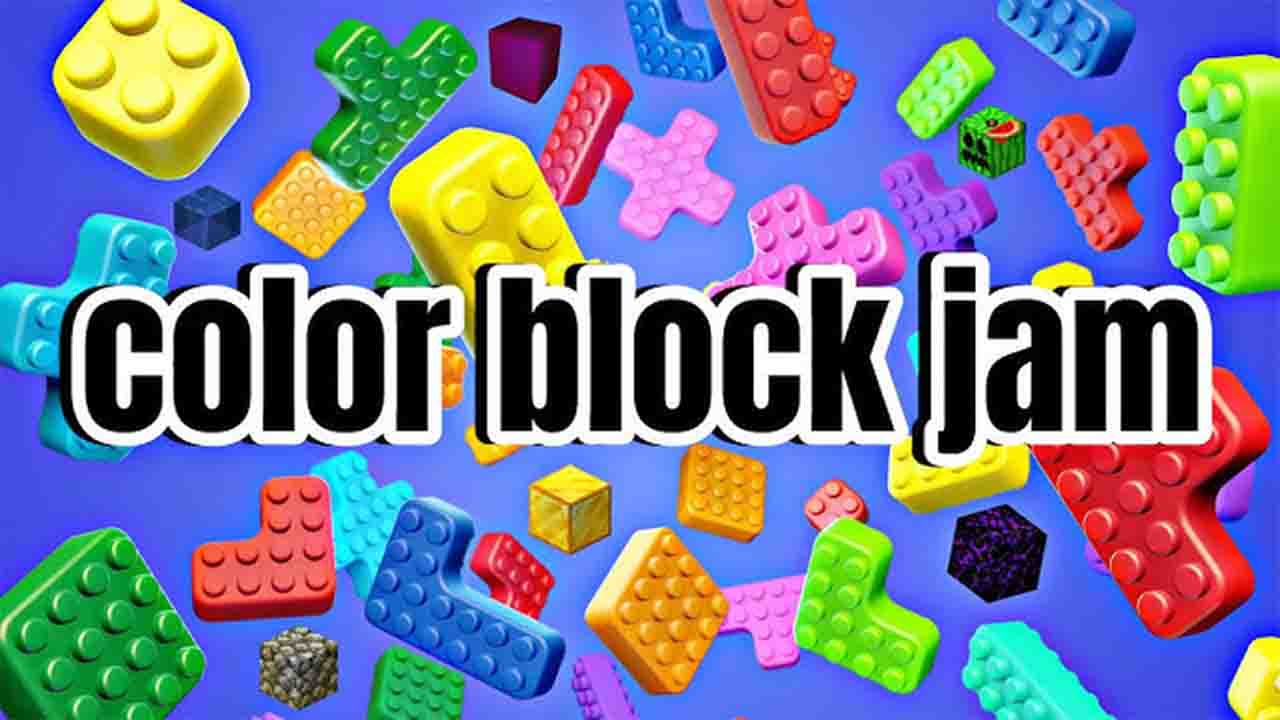 Color Block Jam
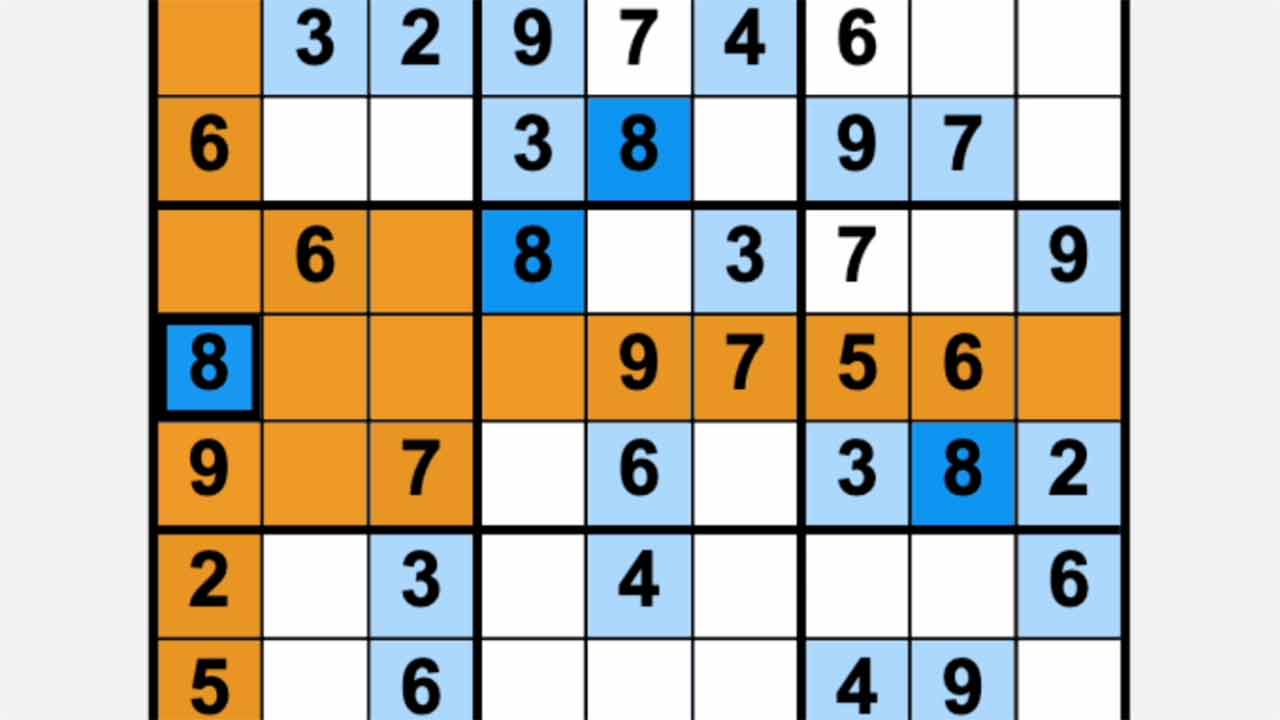
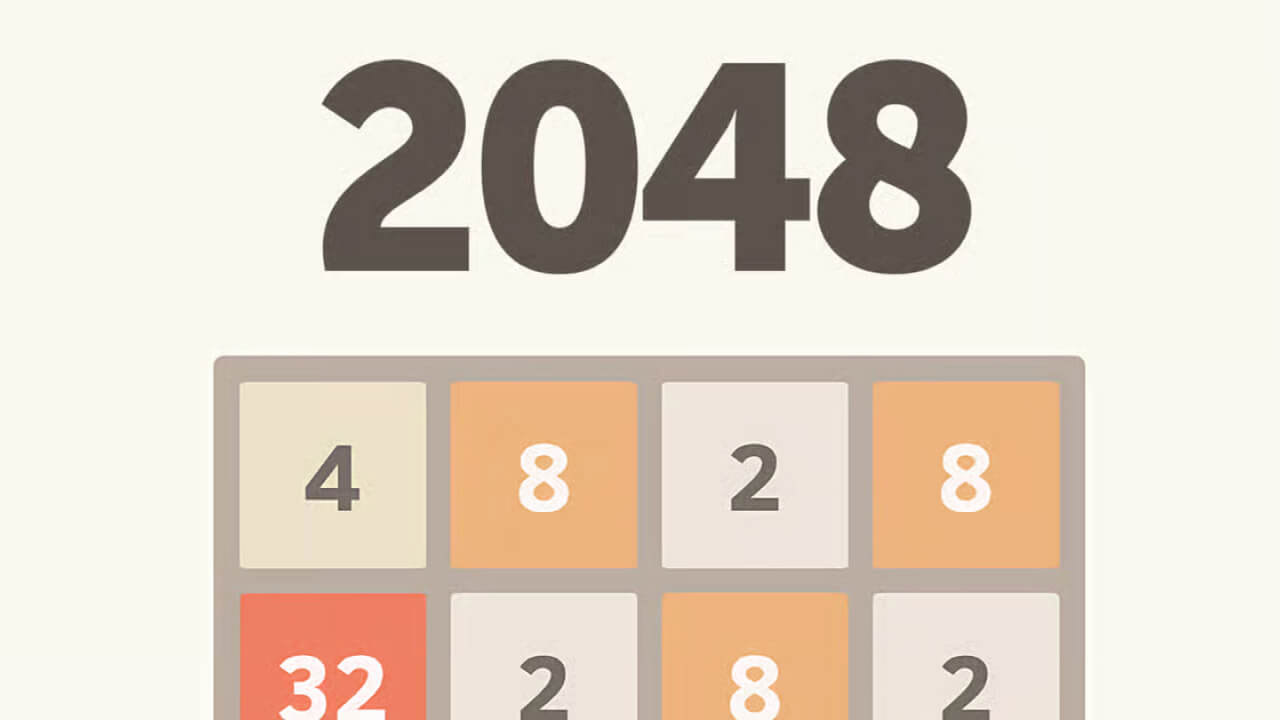
 The Puzzle Games collection on Playgima includes grid placement, number logic, tile merging, word deduction, color matching, physics challenges, and route-planning puzzles. Block Blaster asks players to place fixed shapes on an 8×8 board and clear complete lines, while 2048 combines matching number tiles and Sudoku focuses on filling a grid without repeated values.
Movement and sequencing are central to several games. Arrow Escape requires arrows to leave the board without colliding, Color Block Jam uses sliding blocks and matching exits, and Cut The Rope turns rope timing and physics into a path for the candy.
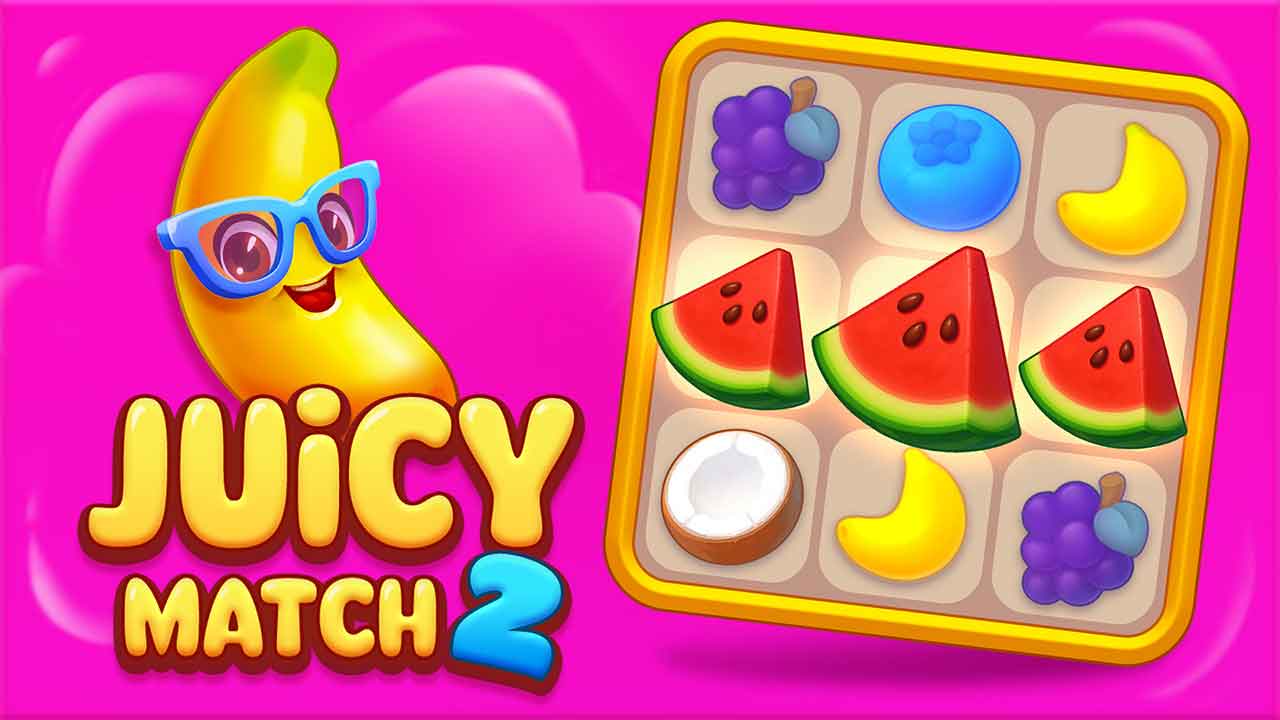
Other puzzles use words, patterns, matching, or tactical placement. Contexto provides semantic feedback for secret-word guesses, Clash Royale Wordle uses card attributes for deduction, Juicy Match 2 and Bubble Shooter focus on color matching, and Sheep vs Wolf uses fence placement to protect sheep. Objectives, constraints, and pacing differ by title.
Puzzle Games make observation, deduction, sequencing, spatial planning, or pattern recognition central to progress. The current collection includes block placement, tile merging, word and card deduction, match-three boards, physics puzzles, number logic, and tactical path challenges. Some puzzles allow deliberate planning, while others combine problem solving with timing or precise movement.
Begin by identifying the objective and the rules that restrict each move. Grid puzzles require preserving useful space, while sliding and sequencing puzzles depend on clearing paths in the correct order. Matching games reward planning around colors and obstacles. Word and deduction games provide feedback that should narrow later guesses, and physics puzzles require attention to timing, momentum, and object movement.
The current collection includes block placement, tile merging, word deduction, color matching, number logic, physics puzzles, sliding blocks, and tactical route challenges.
Block Blaster uses fixed shapes and line clearing, 2048 uses merging number tiles, and Color Block Jam uses sliding blocks and matching exits.
Bubble Letters uses letter patterns, Contexto uses semantic feedback, and Clash Royale Wordle uses card attributes to narrow a hidden answer.
Yes. Cut The Rope uses rope timing and object movement, while some hybrid puzzle-platformers combine environmental problems with movement.
Juicy Match 2 uses fruit swaps and level objectives, while Bubble Shooter uses aimed color matches to clear bubbles.
No. Sudoku and Block Blaster support deliberate planning, while I’m Not A Robot and some physics or matching challenges also involve timing or quick reactions.